


Châteaux of Saint-Estèphe
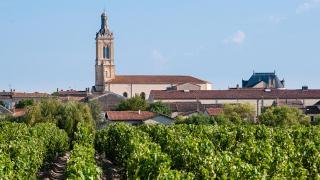
Saint-Estèphe is the northernmost of the Médoc’s major communal appellations. Its vines cover a series of gravel ridges sloping down to the Gironde estuary, on soils richer in clay and limestone than in Pauillac or Margaux; this gives the wines the structure and ageing potential for which the appellation is known.
Five growths classified in 1855 sit alongside a majority of family estates, Crus Bourgeois or Crus Artisans, sometimes only a few hundred metres apart. The châteaux are listed here from nearest to furthest from the house: several can be reached on foot along the vineyard tracks.
The Grands Crus Classés
The 1855 Classification, drawn up for the Paris Exposition Universelle, includes five châteaux in Saint-Estèphe: two second growths, Cos d’Estournel and Montrose, one third growth, Calon-Ségur, one fourth, Lafon-Rochet, and one fifth, Cos Labory. The list has barely changed since; these are the appellation’s great names.
0.8 km · 3 min
Saint-Estèphe · Grand Cru Classé · On foot · 3 min by car · 0.8 km
Domaine de Calon
- Our favourites
The estate
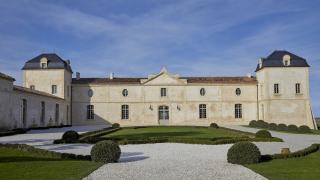
Château Calon-Ségur, in Saint-Estèphe, was classified as a third growth in 1855. A fief of the lords of Lesparre in the Middle Ages, Calon passed to the Ségur family by marriage in 1670, then to the Lestapis family in 1824 and the Gasquetons in 1894. Since 2012 it has belonged to Suravenir, a subsidiary of Crédit Mutuel Arkéa, which has renovated the vat room, the cellars and the chartreuse.
The vineyard covers 55 hectares, 50 of them planted, on three Quaternary gravel ridges sloping down towards the estuary. Cabernet sauvignon dominates and is set to reach 70% of the vines by 2032. The grand vin is aged for 18 to 20 months in new barrels.
3.2 km · 5 min
Saint-Estèphe · Grand Cru Classé · 5 min by car · 3.2 km
The estate
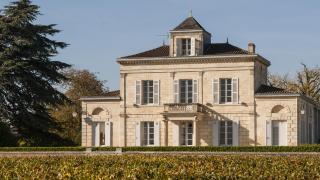
Château Montrose takes its name from the heather-covered hill that, in bloom, looked pink to sailors heading up the Gironde. Étienne Théodore Dumoulin cleared the heathland and planted the first vines in 1815; forty years later, the 1855 Classification ranked this young estate among the second growths of Saint-Estèphe.
The 95 hectares of vines, in 115 plots, occupy two terraces facing the estuary; cabernet sauvignon accounts for 63%, ahead of merlot (31%), cabernet franc and petit verdot. The grand vin comes from the original terrace, and the property also makes La Dame de Montrose and Montrose Blanc; the vineyard is committed to organic farming. Visits are for trade professionals only, by appointment from Monday to Friday.
3.9 km · 5 min
Saint-Estèphe · Grand Cru Classé · 5 min by car · 3.9 km
Château Cos Labory
- Our favourites
The estate
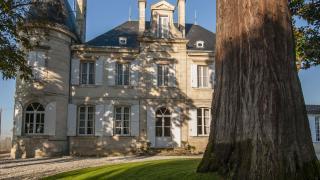
Château Cos Labory is a fifth growth of Saint-Estèphe in the 1855 Classification. Its name combines the hill of Cos, where it stands, and François Labory, owner until 1845; Louis Gaspard d’Estournel bought it in 1847, and Michel Reybier and his family took it over in 2023 with the aim of preserving its independence.
The 35 hectares are split into several blocks on the deep gravel of the Cos plateau, over clay and limestone; three plots at the top, planted with the oldest vines, produce the grand vin. The grape mix is roughly half cabernet sauvignon, a third merlot, and a little cabernet franc and petit verdot. Visits are by appointment only.
3.9 km · 5 min
Saint-Estèphe · Grand Cru Classé · 5 min by car · 3.9 km
33180 Saint-Estèphe
- Our favourites
The estate
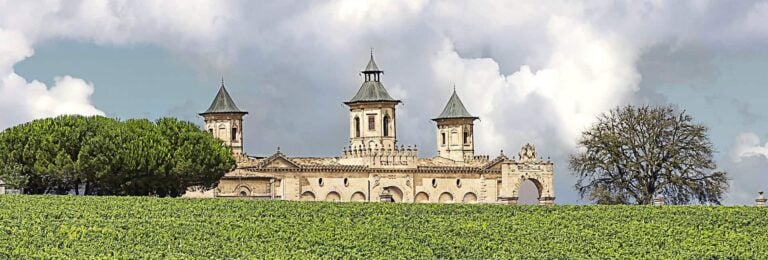
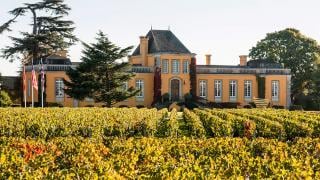
Château Cos d’Estournel, classified as a second growth in 1855 in the Saint-Estèphe appellation, dates from 1791 and takes its name from Louis Gaspard d’Estournel, who gave it its oriental-inspired architecture. Michel Reybier has run the property since 2000.
The vineyard covers about a hundred hectares split into many plots, two-thirds planted with cabernet sauvignon, completed by merlot and a little cabernet franc and petit verdot; the vines average 45 years old. The property makes Cos d’Estournel red and white, Pagodes de Cos and G d’Estournel, in a gravity-flow winery. Visits are private and charged, with a tasting of six wines, on request and subject to confirmation by the hospitality team.
5.1 km · 8 min
Saint-Estèphe · Grand Cru Classé · 8 min by car · 5.1 km
Blanquet West
- Our favourites
The estate
Château Lafon-Rochet, a fourth-growth Grand Cru Classé of 1855, dates back to 1557, when the estate was still called Rochet; it took the name Lafon around 1680, through the marriage of Antoinette de Guillemotes to Étienne de Lafon, a member of the parlement. Bought in ruins in 1960 by Guy Tesseron, who rebuilt the chartreuse, it has belonged to the Lorenzetti family since 2021, and its yellow façade gives the labels their colour.
The vineyard of some fifty hectares lies on deep gravel and gravelly clay. It is planted with 65% cabernet sauvignon and 30% merlot, with a little cabernet franc and petit verdot, and has been certified organic since 2024. Visits are by appointment all year round, in French or English.
The Crus Artisans
The Crus Artisans du Médoc classification recognises small independent estates where the person who signs the wine does everything, from vineyard to cellar and on to sales. Three of them are in Saint-Estèphe, a few minutes from the house: visitors are often welcomed by the winegrower in person.
0.2 km · 1 min
Saint-Estèphe · Cru Artisan · On foot · 1 min by car · 0.2 km
Rue des 4 Vents
- Our favourites
The estate
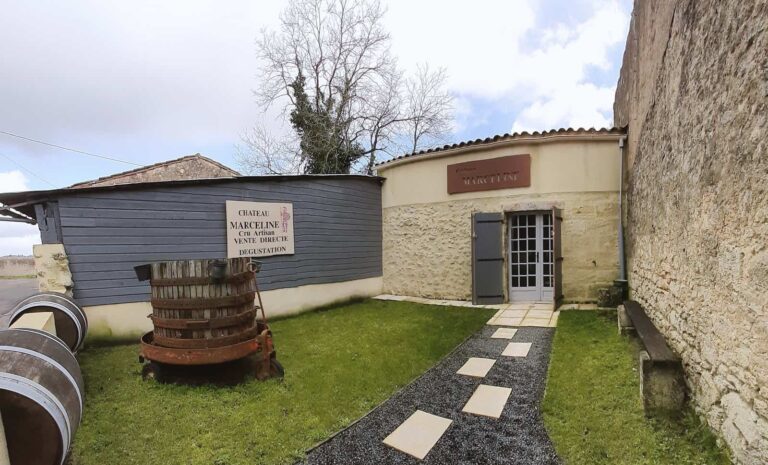
Château Marceline is a Cru Artisan of the Saint-Estèphe appellation, founded in 2009 on family vines. It all began in the 1960s, when Victor Dubuc, a garage owner by trade, planted a small plot; his son Henri later took the harvest to the village cooperative cellar.
In 2009 his daughter Annie entrusted the plots to Marc and Céline, who launched their own label: Marc, for many years a winemaker for other estates, made his first wine under his own name here. The château’s name combines their two first names, and Mars, the Roman god, is its emblem.
0.3 km · 1 min
Saint-Estèphe · Cru Artisan · 1 min by car · 0.3 km
101 Main Street
The estate
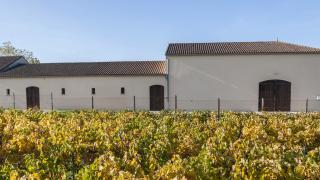
Château Graves de Pez is a “Cru Artisan” of Saint-Estèphe, run by Maxime Saint-Martin. His grandparents Paul and Paulette Bussier, who came in 1960 to manage Château Lafon-Rochet, put together plots whose grapes they delivered to the cooperative. In 2009, at the age of 21, their grandson left the cooperative and began making his own wine.
The 3.5 hectares of vines, around sixty years old and planted at 10,000 vines per hectare on gravel, grow cabernet sauvignon, merlot and petit verdot. The wine spends twelve months in barrels, a third of them new. Maxime Saint-Martin also runs Château Vieux Gabarey, in Lamarque.
4 km · 7 min
The Crus Bourgeois
The Crus Bourgeois du Médoc classification ranks estates after assessing their wines and practices, at three levels: Cru Bourgeois, Supérieur and Exceptionnel. It is revised every five years; the 2025 list includes eight of the châteaux on this page, and each one’s level is shown on its entry.
0.1 km
Saint-Estèphe · Cru Bourgeois
The estate
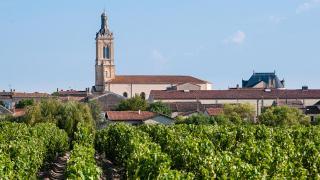
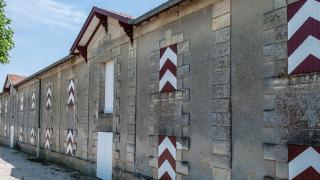
Château Picard stands in the heart of the village of Saint-Estèphe and was classified as a Cru Bourgeois in 1932. The Bordeaux merchant house Mähler-Besse acquired it in 1997, the most recent of its properties, and restored its Napoleon III-style cellars, equipping them for gravity-fed harvests.
The vineyard covers 8 hectares on clay soil containing fossil cockle and sea-urchin shells. It is planted with 85% cabernet sauvignon and 15% merlot, and the red wine is aged for twelve to eighteen months in oak barrels.
2.1 km · 4 min
Cru Bourgeois Supérieur
Saint-Estèphe · Cru Bourgeois Supérieur · 4 min by car · 2.1 km
2, Rue du Pigeonnier
The estate
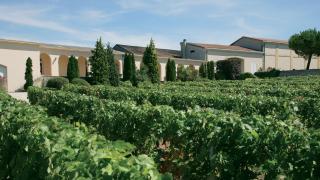
Château Tour des Termes is an estate in the Saint-Estèphe appellation. Since 2023 it has belonged to the O’Connor family, who are active in renewable energy in Ireland; Julien Brustis is its managing director.
The 15 hectares lie two-thirds on gravel and one-third on clay-limestone, with 60% merlot, 30% cabernet sauvignon, 5% cabernet franc and 5% petit verdot, certified HVE 3 and Terra Vitis. The château offers, by reservation, a visit with tasting (1 h, €10), a food and wine pairing (€25) and lunch in the vineyard (€65).
2.2 km · 4 min
Cru Bourgeois Exceptionnel
Saint-Estèphe · Cru Bourgeois Exceptionnel · 4 min by car · 2.2 km
The estate
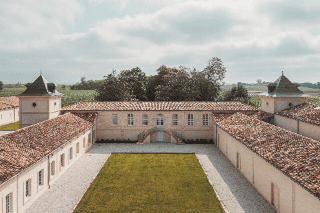
Château Laffitte Carcasset is one of the oldest estates in Saint-Estèphe: traces of the vineyard go back to 1759, and the house appears in 1767 on the Belleyme map, at the place called Le Carcasset. It takes its name from Jean Laffitte, a lawyer and royal prosecutor in Bordeaux, who bought it in 1781. Pierre Rousseau, owner since 2016, has restored the chartreuse and the cellars.
The vineyard, on gravel ridges mixed with clay-limestone, is planted with 60% cabernet sauvignon, 35% merlot and 5% cabernet franc; chardonnay planted in 2020 has produced a white wine since the 2023 vintage. The property, which also lets rooms, is open on weekdays all year round and closed from 15 December to 15 January.
3 km · 5 min
Cru Bourgeois Exceptionnel
Saint-Estèphe · Cru Bourgeois Exceptionnel · 5 min by car · 3 km
1 Rue Paul Amilhat
The estate
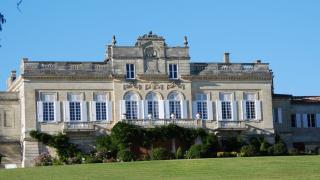
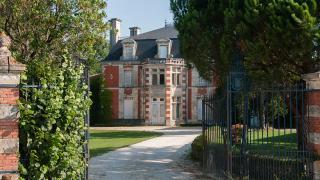
Château Le Crock stands on the Marbuzet plateau in Saint-Estèphe. In 1788 Pierre Merman, a Bordeaux burgher, bought the estate’s land, which his family kept for more than a century; the Cuvelier family, merchants from Lille, became the owners in 1903. The dressed-stone château, enlarged in the 19th century, is listed in the regional heritage inventory; the cru has been classified Cru Bourgeois Exceptionnel since 2020.
The 32 hectares of vines, on gravel that is sandy at the surface and clayey deeper down, bring together the four Médoc grape varieties. The HVE 3-certified estate makes Château Le Crock and a second wine, La Croix Saint-Estèphe. Its website announces that visits and tastings will resume from June 2027.
3.3 km · 5 min
3.9 km · 6 min
Cru Bourgeois Supérieur
Saint-Estèphe · Cru Bourgeois Supérieur · 6 min by car · 3.9 km
Location: Les Pradines
The estate
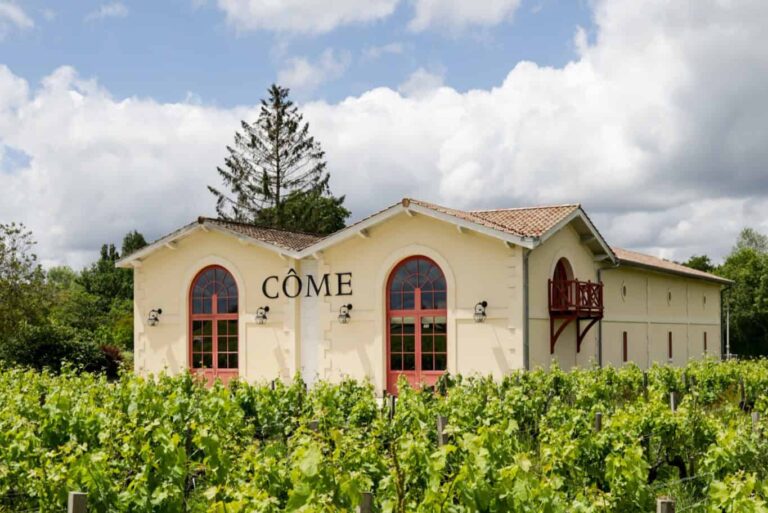
Château De Côme is named after a family of Saint-Estèphe notables; its vineyard was established around 1840, and the Guide Féret listed it in 1886 among the Crus Bourgeois Supérieurs. When Baron Maurice Velge bought it in 1997, only two hectares remained and the label had disappeared; the Velge family revived both the brand and the estate.
The vineyard, now extended to seven hectares on clay-limestone soils, combines cabernet sauvignon and merlot in equal parts (45% each) with 10% petit verdot. Certified organic since the 2018 vintage, it is vinified in concrete vats, then aged for twelve months in Allier oak barrels. The estate also makes a white, Blanc de Côme.
4.3 km · 7 min
Saint-Estèphe · Cru Bourgeois · 7 min by car · 4.3 km
1 Route de La Vilotte, Place du Laujac
The estate
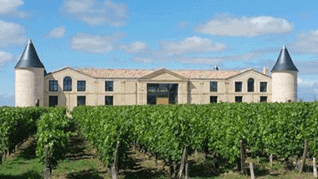
Château Tour Saint-Fort, at the place called Laujac south-east of the village of Saint-Estèphe, has changed its name several times: Maison Cazaux in the early 19th century, Château Pineau in the early 20th, then Cru La Tour Pineau, recognised as a Cru Bourgeois in 1932. The estate, replanted in 1992, was bought in 2016 and given a new vat room and a renovated cellar.
The 14 hectares lie mostly on clay over limestone, the rest on gravel near the château. Merlot dominates (59%), ahead of cabernet sauvignon (31%), petit verdot (7%) and cabernet franc (4%). Two wines are made: Château Tour Saint-Fort, a Cru Bourgeois, and Baron d’Estours.
6 km · 9 min
Saint-Estèphe · Cru Bourgeois · 9 min by car · 6 km
Loquey, Route de Troupian
The estate
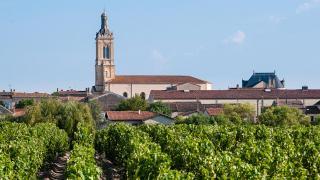
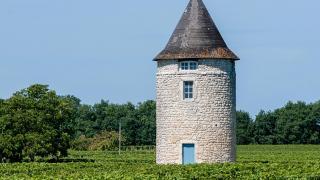
Château German Marbuzet takes its name from two Saint-Estèphe hamlets, German and Marbuzet, which together form a single village south of the place called Montrose, near Cos. In the middle of the estate, between its two groups of vines, stands a cross erected by the inhabitants in 1882; it symbolises the union of the two names, adopted by the château in 1982.
The estate is one of the Crus et Domaines de France properties in the Saint-Estèphe appellation. Its vines lie mainly on clay-limestone gravel, and the winemaking is advised by Michel Rolland’s consultancy, Rolland & Associés.
6.4 km · 8 min
Independent estates
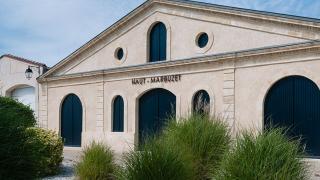
Unclassified does not mean second-rate. Several major Saint-Estèphe houses, such as Phélan Ségur, Haut-Marbuzet and les Ormes de Pez, remain outside the classifications; alongside them, family estates of a few hectares make their wine from vine to bottle.
0.2 km · 1 min
Saint-Estèphe · 1 min by car · 0.2 km
0.3 km · 1 min
Saint-Estèphe · On foot · 1 min by car · 0.3 km
Domaine de Calon
The estate
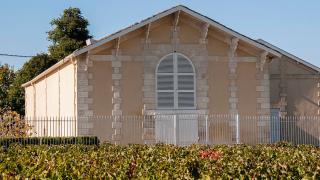
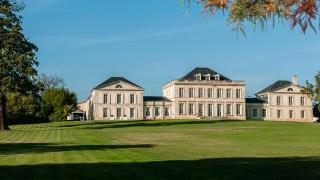
Château Capbern, in Saint-Estèphe, dates back to the 18th century and to alliances between the Rivière, Capbern and Gasqueton families. In 1894 the Capbern-Gasquetons bought Calon-Ségur, and the two properties remained linked until Denise Gasqueton’s death in 2011; Suravenir then took them over, and Capbern is still run by the Calon-Ségur team.
The estate has 38 hectares, 29 of them in production, on sandy gravel, clayey gravel and limestone, on a gentle slope. The grape mix is 52% cabernet sauvignon and 45% merlot, with a little petit verdot and cabernet franc. The wine has been made in a gravity-flow vat room since 2010 and is aged for 18 months in barrels.
0.4 km · 1 min
0.4 km · 2 min
Saint-Estèphe · On foot · 2 min by car · 0.4 km
Rue des écoles
- Our favourites
The estate
Château Phélan Ségur takes its name from Bernard O’Phelan, an Irish merchant based in Bordeaux, who brought together the Clos de Garramey in 1805 and the Ségur de Cabanac estate in 1810. His son Frank, mayor of Saint-Estèphe for thirty years, inherited it in 1841; after the Gardinier family, the property now belongs to Philippe Van de Vyvere.
Its 70 hectares of clay-rich gravel, next to Montrose and Calon-Ségur, are planted mainly with cabernet sauvignon (58%) and merlot (39%). Visits are by appointment only, daily from March to October and on weekdays the rest of the year.
0.6 km · 2 min
Saint-Estèphe · On foot · 2 min by car · 0.6 km
3 impasse Robert
- Our favourites
The estate
Château Domeyne is an estate in the Saint-Estèphe appellation whose recent history has passed through only a few hands. The Franchini family bought it in 1978 with 4 hectares and added part of Château Faget to it; Claire and Gonzague Lurton took it over in 2006, then Natacha and Vincent Ginestet in 2018, joined by their daughter Alexandra Varenne.
The vineyard covers nearly 9 hectares, split into more than 70 plots grouped in five blocks, on gravel and Tertiary clay over Saint-Estèphe limestone. It is planted with 60% merlot and 40% cabernet sauvignon; each plot is picked by hand and vinified separately, before ageing in barrels in the restored cellars.
1.2 km · 3 min
Saint-Estèphe · On foot · 3 min by car · 1.2 km
- Our favourites
The estate
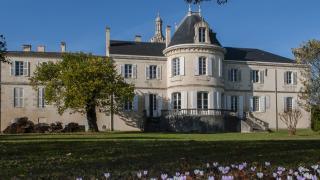
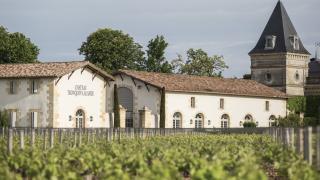
Château Tronquoy, presented on its website as Tronquoy-Lalande, is one of the oldest crus in Saint-Estèphe. The estate took shape in the 18th century around a pale-stone chartreuse flanked by two turrets, designed by Victor Louis for the Tronquoy family; Jean Texier and Arlette Castéja-Texier acquired it in 1968, then Martin and Olivier Bouygues in 2006.
The 30 hectares lie on some 8 metres of gravel and clay, with 52% merlot, 39% cabernet sauvignon, plus petit verdot and cabernet franc; the estate makes a red Saint-Estèphe and a white AOC Bordeaux.
1.3 km · 3 min
Saint-Estèphe · On foot · 3 min by car · 1.3 km
9, Rue du Littoral
The estate
Château Ségur de Cabanac takes its name from the Ségur family, present in Médoc history since the 16th century: Count Joseph Marie de Ségur, lord of Cabanac, helped develop the Saint-Estèphe vineyard, where boundary stones still bear the name. Guy Delon, from a Médoc winegrowing family going back seven generations, bought it in 1985; his children Jean-François and Guylène run it today.
The 7 hectares lie in the east of the commune, facing the estuary, on well-drained gravel ridges. Hand picking, sorting in the vineyard and stainless-steel vats; the property, HVE-certified since the 2019 vintage, makes Château Ségur de Cabanac and Les Hauts de Cabanac.
1.8 km · 4 min
Saint-Estèphe · 4 min by car · 1.8 km
29 Route des Ormes
The estate
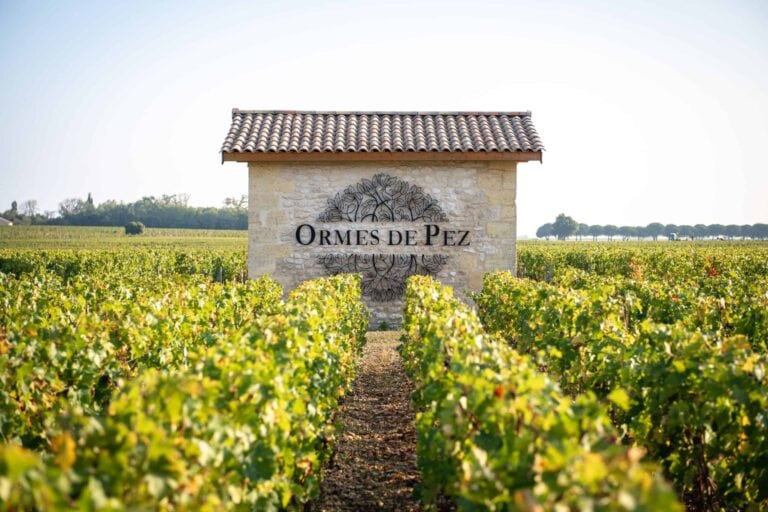
Château Ormes de Pez lies on the edge of the hamlet of Pez, north-west of the village of Saint-Estèphe. After a long succession of owners, it passed to the Cazes family on the eve of the Second World War, and Jean-Michel Cazes restored its 18th-century buildings in the early 1980s.
The vineyard combines plots of gravel with quartz and pebbles, reserved for the cabernets, and cooler clay-sand soils for merlot; the grape mix is 54% cabernet sauvignon, 37% merlot, 7% cabernet franc and 2% petit verdot. Visits, by appointment from Monday to Saturday, take place at Château Lynch-Bages, owned by the same family.
1.9 km · 4 min
2 km · 3 min
2 km · 4 min
Saint-Estèphe · 4 min by car · 2 km
33180 Saint-Estèphe
The estate
Château De Pez was founded in 1452 by Jean de Briscos, in Saint-Estèphe. It then belonged for two centuries to the Pontac family, owners of Haut-Brion, before being sold as national property during the Revolution. Jean-Claude Rouzaud discovered it in 1995 and brought it into the Louis Roederer house; it is now part of the Roederer Collection.
The vineyard, in a single block, covers 42 hectares divided into 70 plots, on gravel ridges among the highest points of the appellation. Planted with merlot and cabernet sauvignon and certified HVE 3, it has been vinified plot by plot since the restructuring begun in 2005. The property makes Château De Pez and a second wine, Second de Pez.
2 km · 5 min
Saint-Estèphe · On foot · 5 min by car · 2 km
- Our favourites
The estate
Château Meyney occupies one of the oldest wine-growing sites in Saint-Estèphe: Cistercian monks were already tending vines here in the 13th century. The estate, formally established in 1625 by the Feuillant monks, then passed to the Luetkens family and, in 1919, to the merchant Désiré Cordier, who reintroduced petit verdot; the Crédit Agricole group has owned it since 2004.
The vineyard forms a single 51-hectare block between Montrose and Calon-Ségur, on a gravel ridge overlooking the estuary, with a clay-limestone subsoil and a seam of blue clay. It combines cabernet sauvignon (50%), merlot (35%) and petit verdot (15%), and has been in conversion to organic farming since 2021. Two wines are made here: Château Meyney and Prieur de Meyney.
2.2 km · 3 min
2.2 km · 4 min
2.2 km · 4 min
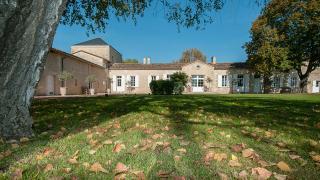
2.2 km · 4 min
Saint-Estèphe · 4 min by car · 2.2 km
Place called the Héreteyre
The estate
Château Tour de Pez occupies the hamlet of Pez, land of the abbey of Verteuil in the 17th century. A cru as early as 1838 under the name Lhereteyre, it was renamed in 1931 by the Soulard family, who two years later had the 13th-century tower that gave it its name pulled down. It has belonged to Vignobles de Larose since 2018.
Its 19 hectares, in 39 plots on clay and clay-limestone soils, have been ploughed without herbicides since that takeover. The second wine is called Les Hauts de Pez. The château does not receive visitors; its wines are sold at Château Larose-Trintaudon, in Saint-Laurent-Médoc.
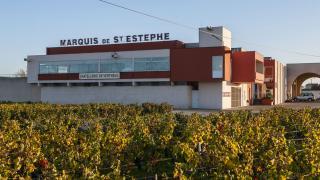
2.3 km · 4 min
Saint-Estèphe · 4 min by car · 2.3 km
The Marquis of Saint-Estèphe
- Our favourites
The estate
Le Marquis de Saint-Estèphe is the village cooperative cellar, founded in 1934 to bring together the commune’s winegrowers. Today it groups producers from Saint-Estèphe and Vertheuil, and makes a range of reds and rosés from sustainably farmed vines.
Le Marquis de Saint-Estèphe, AOC Saint-Estèphe, blends 60% merlot and 40% cabernet sauvignon, aged for a few months in vats to preserve the fruit. Château Léo de Prades adds a little cabernet franc and spends twelve months in French oak barrels; its vines have been certified HVE level 3 since 2019.
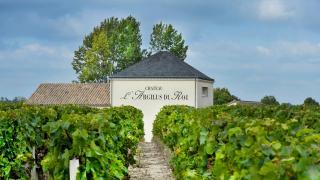
2.7 km · 4 min
Saint-Estèphe · 4 min by car · 2.7 km
1 rue du Brame Hame - Leyssac
- Our favourites
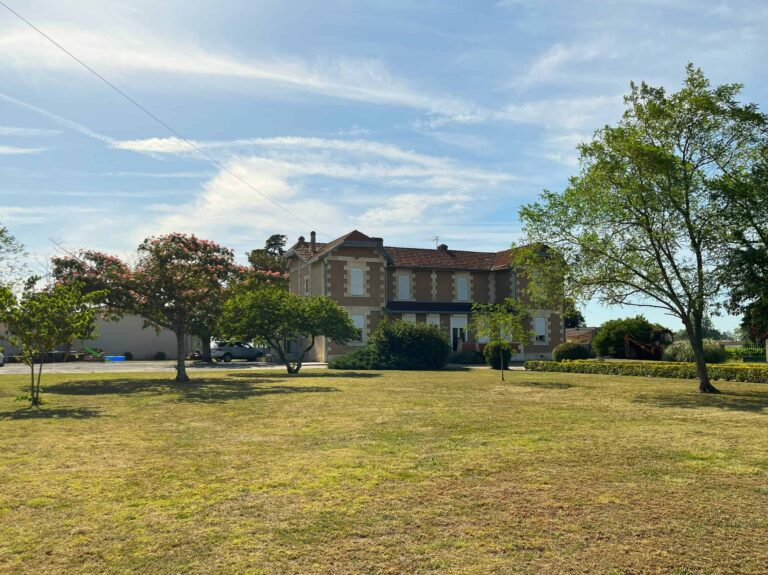
2.7 km · 4 min
2.9 km · 5 min
3 km · 5 min
Saint-Estèphe · 5 min by car · 3 km
51 rue du Médoc Leyssac
The estate
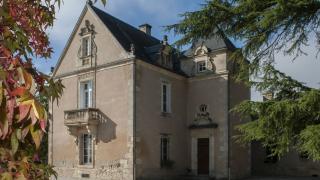
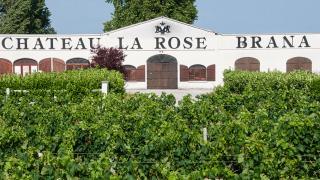
Château Plantier Rose, formerly “la Rose”, is a Cru Bourgeois of Saint-Estèphe at Leyssac, on the Route des Châteaux. It has belonged to the same family since before 1870, passed down from mother to daughter. Françoise and Michel Conte, the fifth generation, run it and have renewed the presses, vats and cellars.
The 30 hectares of vines grow on deep Garonne gravel, farmed sustainably. The château’s wine blends 62% cabernet sauvignon, 30% merlot and 8% petit verdot, aged for twelve months in French oak barrels.
3.1 km · 5 min
3.3 km · 5 min
3.3 km · 5 min
Saint-Estèphe · 5 min by car · 3.3 km
1 rue de Saint-Affrique, Leyssac,
- Our favourites
The estate
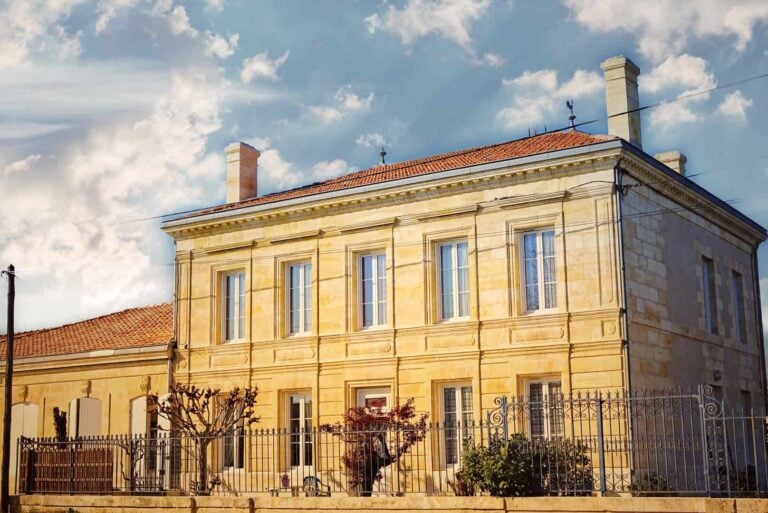
Château La Haye is one of the oldest houses in Saint-Estèphe: its wine-growing history goes back to 1557, when Janot Bernard de Leyssac acquired the property and planted the first vines. Legend has it that it was the hunting lodge where Henri II met Diane de Poitiers; the monogram interlacing an H and a D, carved in the stone of the entrance, is now the emblem on the labels.
The vines grow on clay-limestone and fine gravel, with a surface covered in quartz and pebbles. The grape mix is merlot and cabernet sauvignon in equal parts (45% each), completed by petit verdot, cabernet franc and a little malbec.
3.3 km · 6 min
Saint-Estèphe · 6 min by car · 3.3 km
2 Route de Poumeys
The estate
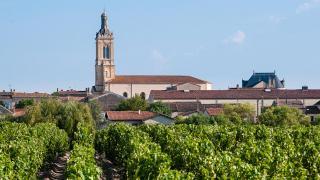
Château Saint-Estèphe is a Médoc family estate, handed down since 1870 within the Arnaud family, who run it under the name Vignobles Arnaud. The estate is at the place called Leyssac, on the banks of the Gironde, and is a member of the Vignerons indépendants.
The vineyard covers about 8 hectares planted with cabernet sauvignon (60%) and merlot (40%), picked entirely by hand; the wine is aged for twelve months in barrels, about a third of them new. Besides Château Saint-Estèphe, the family makes the Origine cuvée as well as Châteaux Arnaud and Saint Louis. Cellar visits and tastings are booked online; on Saturdays, by appointment only.
3.7 km · 6 min
3.7 km · 7 min
Saint-Estèphe · 7 min by car · 3.7 km
Leyssac
The estate
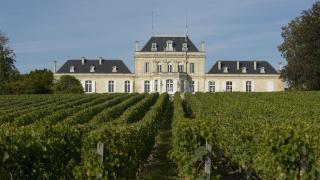
Château Bernard Magrez is an estate in the heart of the Saint-Estèphe appellation, acquired in 2016 and attached to the Bernard Magrez estates. It joins the crus the group owns in the Médoc, Graves, Saint-Émilion and Sauternes.
The vineyard lies on gravel and clay-limestone, with a blend of 70% merlot and 30% cabernet sauvignon. The grapes are hand-picked into small crates and macerated for about thirty days in temperature-controlled stainless-steel vats, and the wine is then aged for fifteen months.
3.8 km · 7 min
3.9 km · 6 min
Saint-Estèphe · 6 min by car · 3.9 km
Château le Boscq
The estate
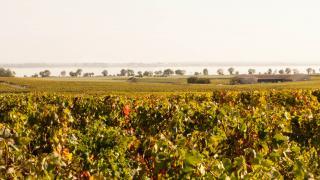
Château Le Boscq, in the Saint-Estèphe appellation, borders the Gironde estuary. Thomas Barton, an Irish merchant, was its tenant farmer from 1749; Jean Grazilhon, a former estate manager turned owner, built the present château in 1891. The Dourthe house has run it since 1995 and has owned it since 2021.
The vineyard occupies a ridge of Garonne gravel mixed with clay: 10.5 hectares of merlot, 8 of cabernet sauvignon, 1 of petit verdot and 0.5 of cabernet franc, certified HVE 3 and Terra Vitis. A Cru Bourgeois as early as 1932, it was classified Cru Bourgeois Exceptionnel in 2020 and also makes Héritage de Le Boscq.
4 km · 7 min
4.4 km · 7 min
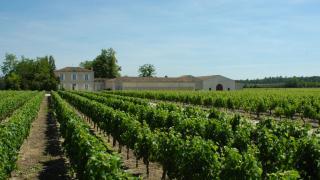
4.7 km · 7 min
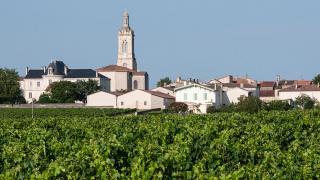
4.8 km · 7 min
Saint-Estèphe · 7 min by car · 4.8 km
The estate
Le Trale is a cuvée from Château Maurac, an estate on the edge of Saint-Estèphe, on ridges overlooking the estuary. Maurac, mentioned as early as the 1868 edition of the Cocks et Féret, was formed by bringing together plots belonging to cooperative members; Claude Gaudin has run it since 1998 and has restructured the vineyard.
Le Trale comes from a single 0.3-hectare plot, twelve rows of merlot at the place of the same name, in the Saint-Estèphe appellation. This pure merlot rarely exceeds 900 bottles a year. The estate works without insecticides or herbicides and ages its wines for at least twelve months on fine lees.
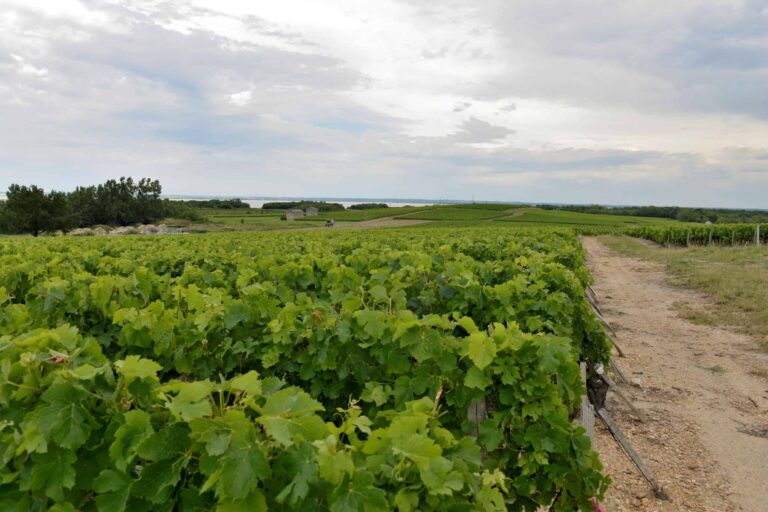
4.8 km · 7 min
Saint-Estèphe · 7 min by car · 4.8 km
4 route du Trale
The estate
Château Passion du Trale is the Saint-Estèphe cuvée of Château Croix du Trale, a family estate in Saint-Seurin-de-Cadourne. Michel and his son Stéphane set up an independent cellar there on 6 hectares; Sandra joined Stéphane in 2010, and their daughters Laurie and Chloé have taken over the estate, a Cru Bourgeois since 2013.
The 25 hectares, in Haut-Médoc and Saint-Estèphe, are planted half with merlot and half with cabernet sauvignon. Passion du Trale is vinified in vats, then aged for twelve months in new barrels. Visits and tastings are free and need no appointment, every day (until 19:00 on weekdays, 17:00 on Sundays).
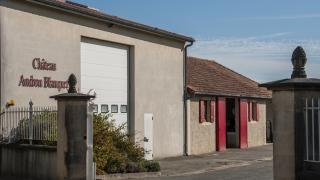
5 km · 7 min
5 km · 8 min
5.3 km · 7 min
Saint-Estèphe · 7 min by car · 5.3 km
Blanquet
- Our favourites
The estate
Château Lilian Ladouys dates back to the 16th century and was recognised as a Cru Bourgeois Supérieur in the 19th. Jacky and Françoise Lorenzetti acquired it in 2008, joined in 2018 by their daughter Manon; the winery was extended by Jean-Michel Wilmotte.
More than 40 hectares, certified organic since 2024, lie on gravel over clay and limestone. The grand vin blends cabernet sauvignon (47%), merlot (40%), petit verdot and cabernet franc; the second wine is called La Devise de Lilian. Visits are requested via an online form and then confirmed by the team.
5.3 km · 8 min
Saint-Estèphe · 8 min by car · 5.3 km
17 Rue de Lestage, 33180 Saint-Seurin-de-Cadourne
The estate
Château L’Insouciance is an estate in the Saint-Estèphe appellation, based in Saint-Seurin-de-Cadourne and started by a group of friends, hence its name. Caroline and Fabien Rycroft, a couple from Normandy with ties to Aquitaine, acquired it in 2023 and added two plots to the property the same year.
The vines occupy a knoll of gravel and clay-limestone soils, farmed as close to organic as possible without claiming certification. The estate makes a single wine, a blend of merlot and cabernet sauvignon; the first vintage is 2024.
5.9 km · 8 min
6 km · 9 min
Saint-Estèphe · 9 min by car · 6 km
Loquey, Route de Troupian
The estate
Château Moutinot is a property of the Saint-Estèphe appellation, long held by the Marcelis family and now run by the Helfrich family. Its wine is distributed by Crus et Domaines de France, a Bordeaux trading house of the Les Grands Chais de France group.
The vineyard covers 6 hectares on clay-limestone, clay-gravel and clay-sand soils, planted at 10,000 vines per hectare. It combines 48% cabernet sauvignon, 34% merlot and 18% cabernet franc, with an average vine age of 26 years. The wine is aged in vats, and the estate is certified HVE level 3.
7 km · 10 min
7.1 km · 9 min
7.4 km · 10 min
Saint-Estèphe · 10 min by car · 7.4 km
42 Route du Landat
The estate
Château Vieux Landat is a family-run estate in Cissac-Médoc, which was taken over in 1999 by Pierre Signolle, who replanted half of the vineyard and rebuilt the cellar. Since 2015, his wife Sophie and their children Nicolas and Diane have been running it.
Most of the vines, 12 hectares between Cissac and Verteuil, are in the Haut-Médoc appellation and certified HVE and organic. In 2003 the family acquired the mill at the port of Saint-Estèphe with its 10 ares of vines on sandy gravel: the château’s Saint-Estèphe comes from there, 70% cabernet sauvignon and 30% merlot aged for eighteen months in barrels.
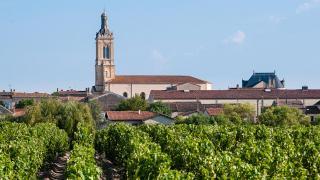
7.7 km · 11 min
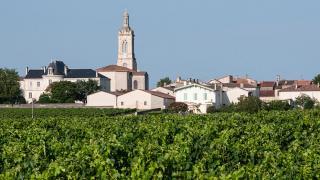
9.1 km · 13 min
Saint-Estèphe · 13 min by car · 9.1 km
Rue du Château
The estate
Château Bel-Air Ortet is one of the estates of Cheval Quancard, a Bordeaux merchant house founded in 1844 by Pierre Quancard, whose emblem, the horse, dates from the 1960s. The property is a small Saint-Estèphe vineyard right next to the village.
Its 3.5 hectares occupy gravelly ridges with a well-drained subsoil, planted with merlot and cabernet sauvignon averaging about 25 years old, at 8,000 vines per hectare. The wine, aged for twelve months in French oak barrels, is made for ageing.
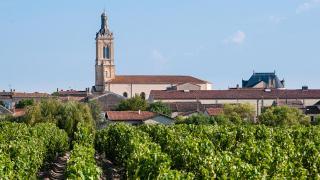
9.2 km · 12 min
Saint-Estèphe · 12 min by car · 9.2 km
Rue du Château
The estate
Château Cossieu Coutelin is a small estate in the Saint-Estèphe appellation, some sixty kilometres north-west of Bordeaux. It has belonged since 1977 to the Quancard family, a Bordeaux merchant house established in the vineyards since the late 19th century.
The vineyard covers only 3.3 hectares, on gravel ridges, planted with merlot (52%) and cabernet sauvignon (48%) at 8,000 vines per hectare. The wine is aged in French oak barrels, 60% of them new, for twelve months for the 2018 vintage.
Data on the appellation’s châteaux provided by the Maison du Vin de Saint-Estèphe.