


Sustainability
The château is also our home. Taking care with energy, water and what we throw away is not a selling point: it is our way of life, and it naturally extends to how we welcome our guests. It is not always easy with a house that is nearly 150 years old and stands within the protected area around the church of Saint-Estèphe, a listed historic monument. Here, in concrete terms, is what our eco-responsible commitment covers.
Energy
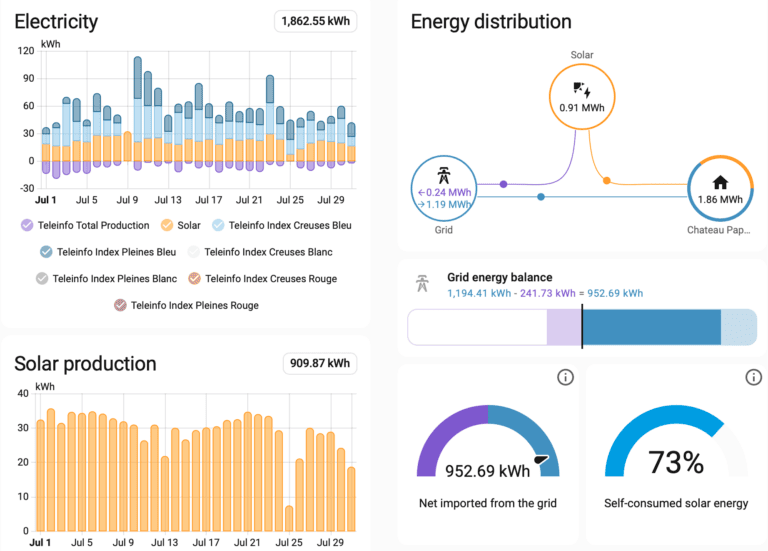
The château dates from the 19th century; its equipment does not: solar panels, reversible heat pumps, a heat-pump water heater, LED lighting.
Home Assistant runs it all: room heating and cooling follow the bookings, and hot water and charging our electric car are timed to the solar production.
A charging station is available to our guests.
Water and recycling
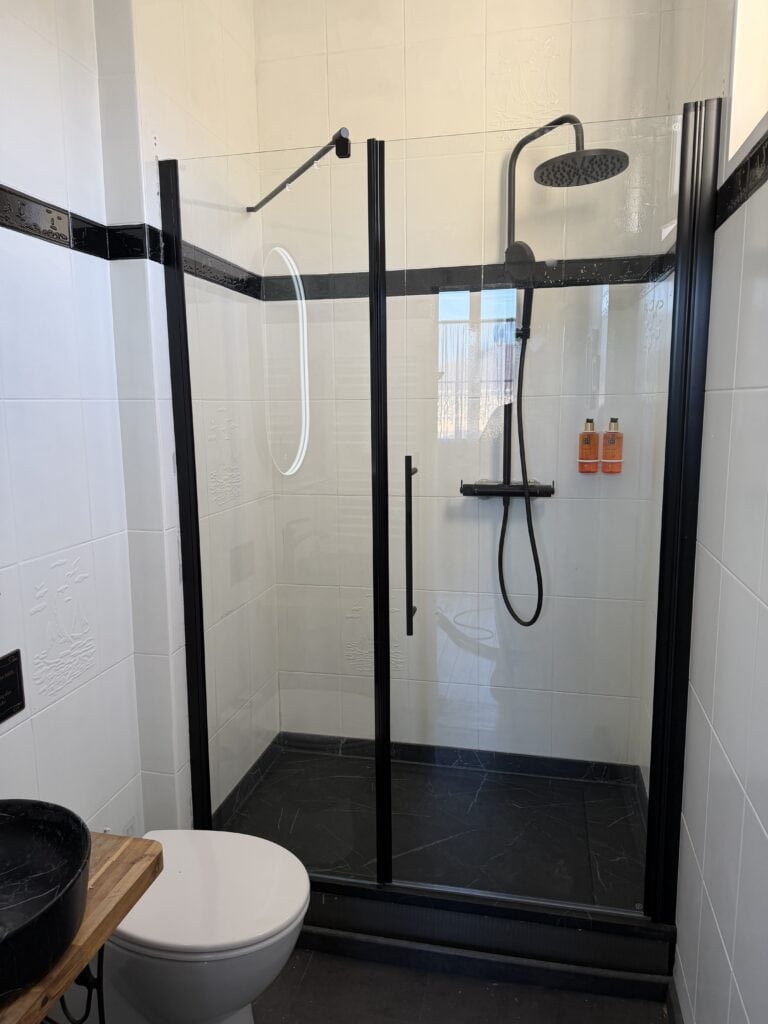
The showers are fitted to use less water, and rainwater is collected to water the garden. Organic waste goes into the compost, which then feeds the garden.
We recycle as much as we can, and we produce about four times more recyclable waste than general household waste. But we know we can do better still, and we are working on it.
Chemical-free
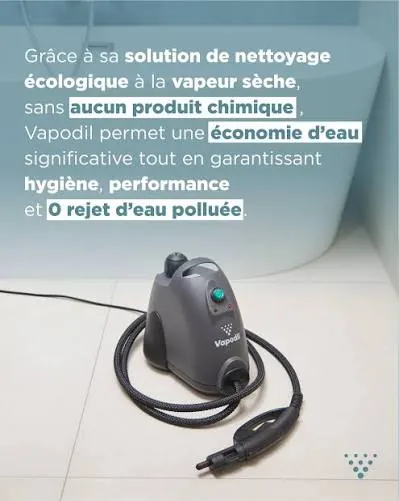
To clean the rooms, we use a steam cleaner from Vapodil. It delivers dry steam at 120 °C: heat alone degreases and disinfects, with no chemical products and very little water. Its disinfecting efficacy has been laboratory-tested to the NF T72-110 standard. The result: clean surfaces with no detergent residue. The laundry, for its part, is washed with an environmentally friendly detergent.
Outdoors, the same approach: no chemical weedkillers in the grounds, and our 20 ares of vines (about half an acre) are grown following the principles of organic farming (sulphur and Bordeaux mixture).
In the rooms and at the table
Towels and sheets are changed on request, not every day: at home, nobody changes them every morning. Miniature toiletries have given way to refillable dispensers, a suggestion from our guests that we took on board. The rooms with a kitchen have their own recycling bins.
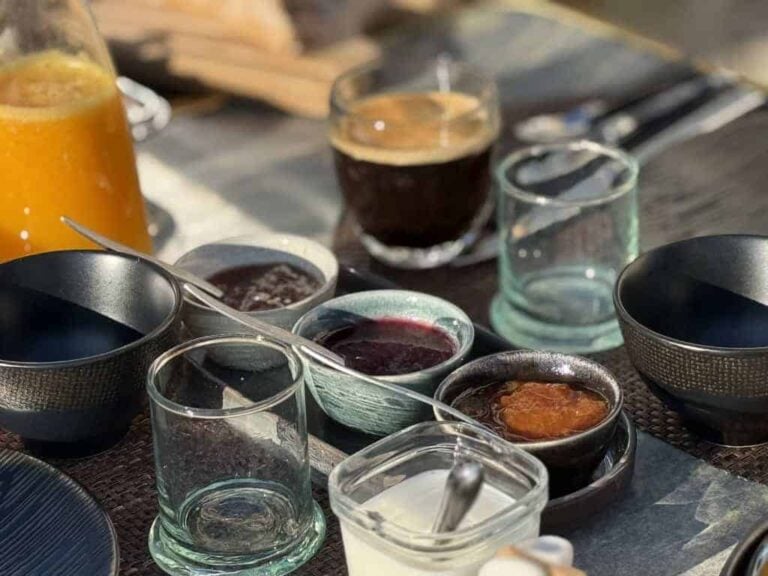
At breakfast: local producers whenever possible, homemade jams and yoghurts, leftover fruit reused rather than thrown away, and water served in glass carafes.
Our organic neighbours
We are not alone. Around us, several Saint-Estèphe châteaux are certified organic. They are open to visitors, and we are happy to recommend them.
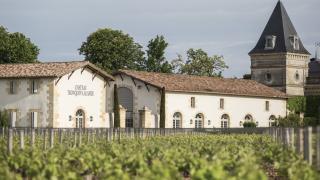
Certified organic
Château Tronquoy
A neighbour of Montrose, on the Saint-Estèphe plateau. Organic for several years.
Discover the château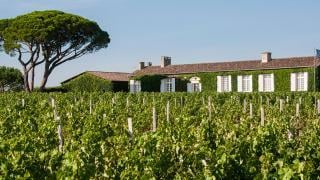
Certified organic · 2024
Château Meyney
51 hectares in a single block facing the estuary, between Montrose and Calon Ségur.
Discover the château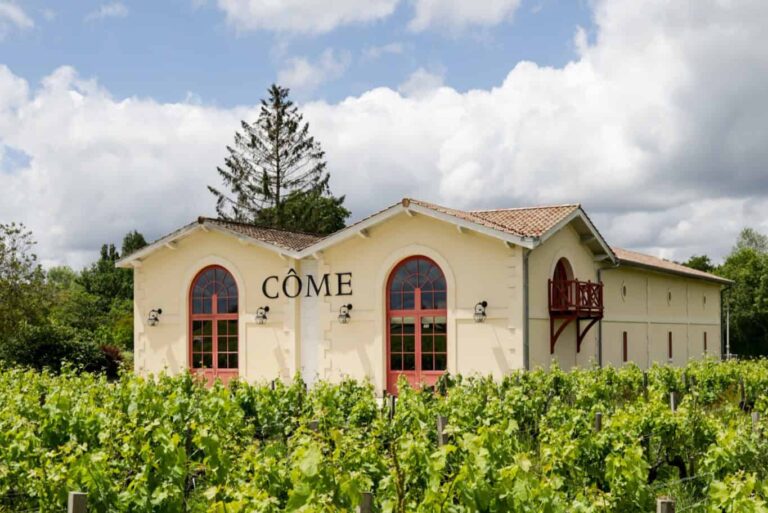
Certified organic · 2018
Château de Côme
A small 7-hectare family estate, among the first organic estates in the appellation.
Discover the château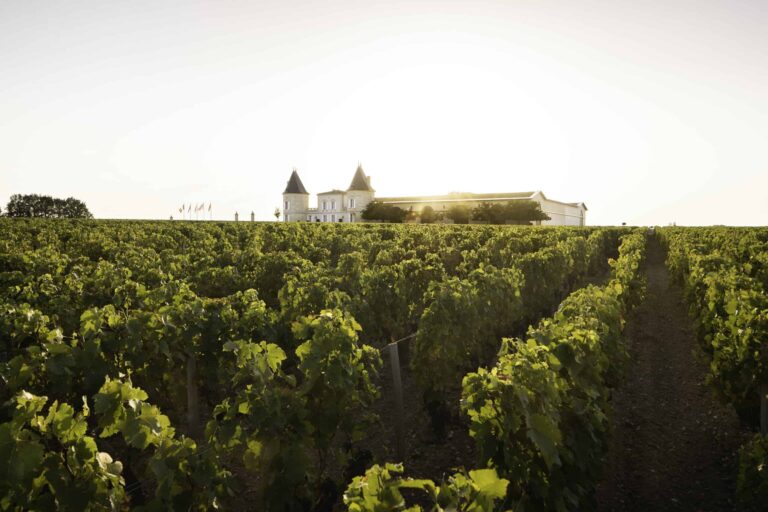
Certified organic · 2024
Château Lilian Ladouys
Over 40 hectares of gravel and clay-limestone soils, with a cellar designed by Jean-Michel Wilmotte.
Discover the château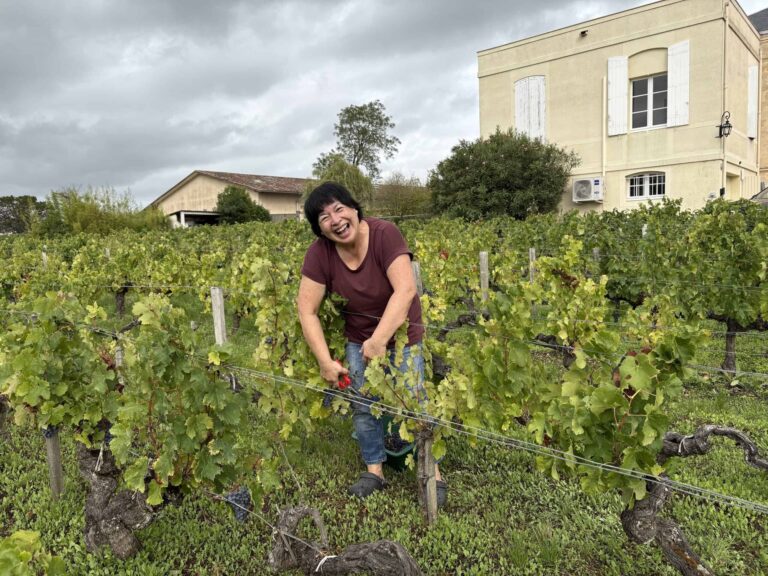
Why no certification?
We have no environmental certification, and not for lack of interest. The labels open to a house our size are expensive, and their criteria are designed for establishments that have nothing in common with four guest rooms.
We would like to be certified the day a label makes sense for a small house like ours. In the meantime, we prefer simply to tell you what we do.